


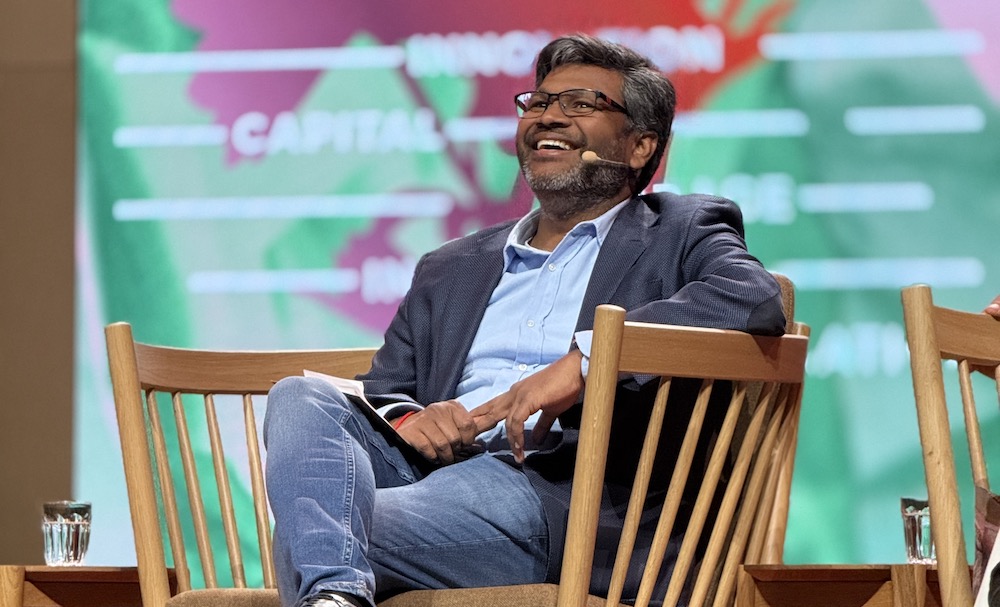
Lenzing’s Krishna Manda Addressed Circularity on the Global Fashion Summit Stage
Combatting the fashion industry’s environmental footprint is going to take an international initiative. Uniting 1,000 key players in the industry including pioneers, policymakers and innovators, the Global Fashion Summit earlier this month sought to tackle the “Barriers and Bridges” in sustainability, addressing the hurdles and turning them into levers for change.
Presented by the nonprofit Global Fashion Agenda, the three-day event on June 3-5 in Copenhagen featured a program of over 100 speakers to address five key themes: innovation, capital, courage, incentives and regulation.
On the second day of the summit, Lenzing’s vice president of corporate sustainability Krishna Manda spoke on the panel “Tracking Progress: Operationalizing Circularity” alongside executives from Tommy Hilfiger, H&M Foundation and the World Business Council for Sustainable Development (WBCSD). Part of the agenda’s Capital vertical, the discussion explored how circularity initiatives impact climate and nature goals, strategies for preparing supply chains for stronger circular shifts, and the role of traceability as a cornerstone of trust. Panelists also unpacked tech enablers for transparency and strengthening reporting capabilities to equip investors and regulators with the data needed to overcome longstanding barriers to circularity.
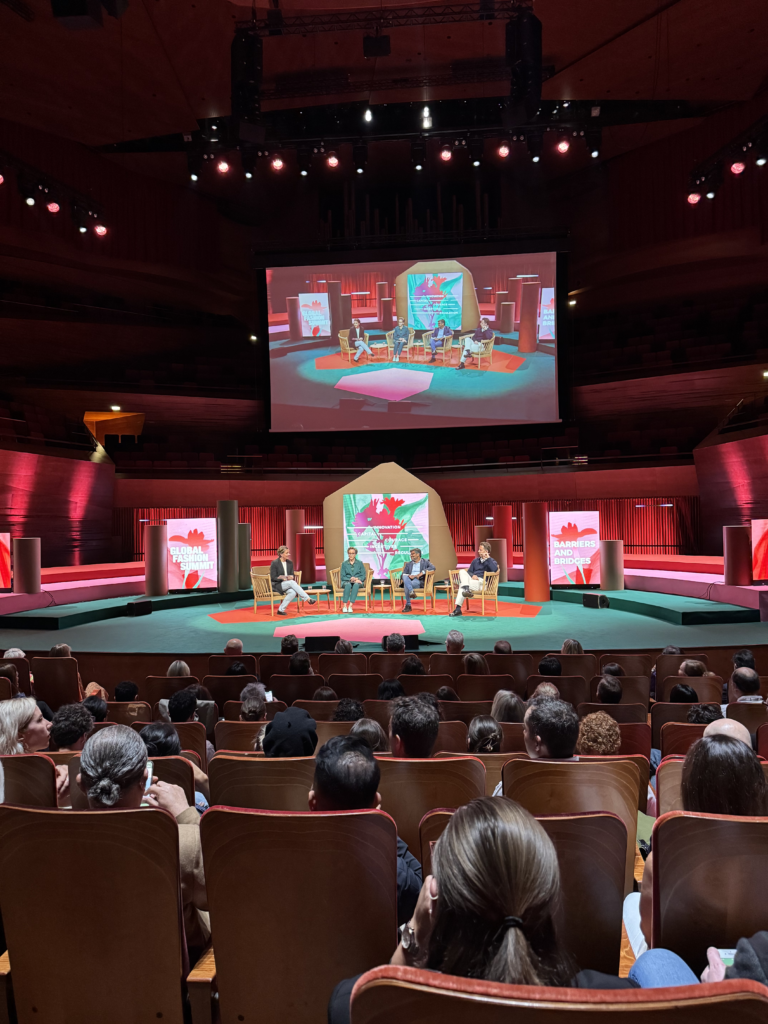
Manda pointed out that “circularity should go hand-in-hand with climate change.” He added the importance of activities like designing for durability, reuse and recyclability. Another part of circularity falls under the value chain, with sustainable production practices such as the use of renewable energy a key priority.
“The industry needs to be pragmatic in ramping up recycled materials from textile-to-textile chemical recycling technologies by starting with 10-20 percent recycled content fibers rather than waiting for 50 percent content,” he noted. “This practical approach can support innovators and scale recycling technologies and fibers with higher recycled content in the long run. Indeed, we need to learn to walk before we can run.”

Within our own organization, Lenzing Group is committed to circularity and supports the industry with its LENZING™ ECOVERO™ with REFIBRA™ technology viscose fibers with 20 percent recycled content from pre- and post-consumer cotton textile waste. Lenzing has goals to increase the recycled content of the fibers with the evolution of industry adoption and supporting regulatory framework.
Our circularity initiatives were also on display during the event. OnceMore®—which has been shepherded and scaled through a partnership between Lenzing Group and Swedish pulp producer Södra—was one of the sustainable solutions providers in the summit’s Innovation Forum. The OnceMore® dissolving pulp made partly from textile waste is being used in Lenzing’s REFIBRA™ technology, allowing for textile-to-textile recycling.

This type of collaboration—and the convening in forums like the summit—is crucial to address the urgent need for climate action.
“The only certainty in this uncertain world is climate change,” Global Fashion Agenda CEO Federica Marchionni said during the opening of the summit. “Leadership is needed most in times of adversity. Now is the time for leadership to step up, assert your vision and courageously drive action on sustainability. Now is the moment to support tenacious leadership that breaks barriers and shows what’s possible—remembering that true transformation comes from collaboration and collective courage.”