


LA’s Upcoming Denim Institute and Museum Will Weave Together History and Education
Los Angeles has been the setting for some iconic denim moments, and soon it will be the home of a denim-focused museum and educational hub.
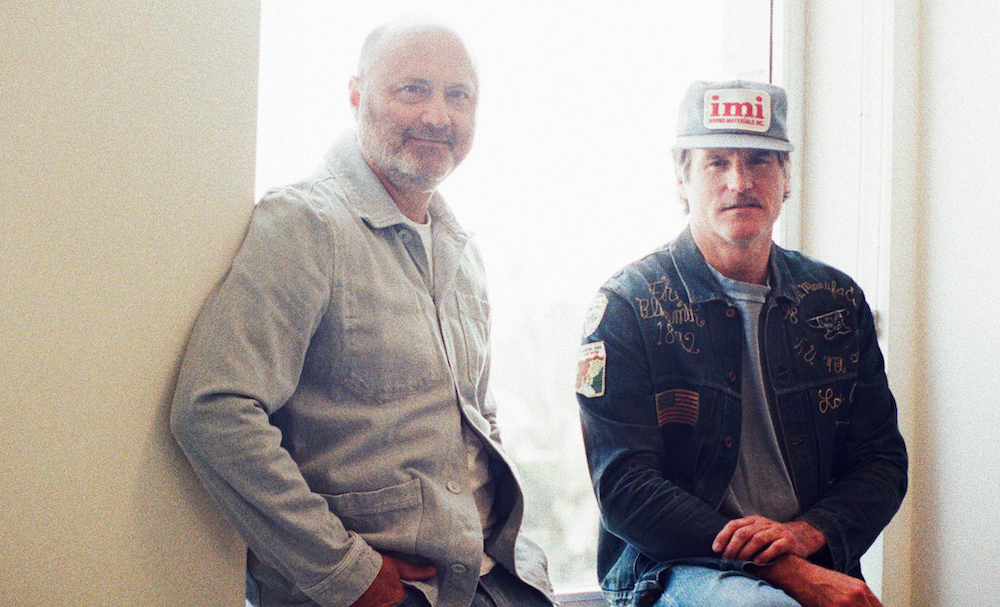
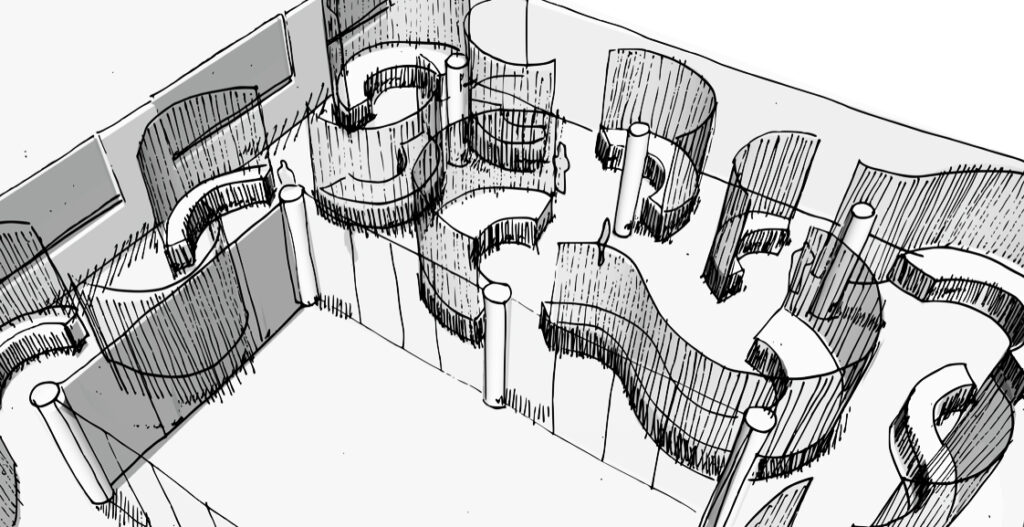
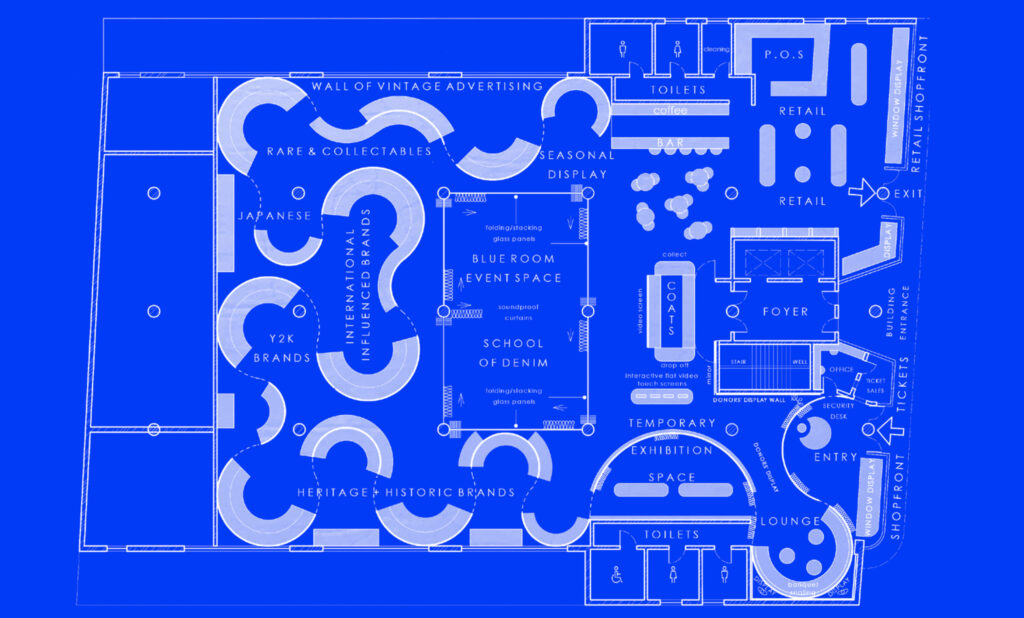
The Denim Institute and Museum, slated to open next June, is the brainchild of denim designer Loren Cronk and L’Agence CEO Jonny Saven. Situated in the garment district in LA’s downtown, it is designed to be a singular space for celebrating denim’s history—including well-known brands—and educating visitors and students on denim making.
Loren chatted with Carved in Blue about the nonprofit organization’s plans and what makes LA stand out in the denim world.
Carved in Blue: What was the vision behind the Denim Institute and Museum? Why was this kind of institute needed for the denim industry?
Loren: Kind of a two-part question. The Denim Institute & Museum started with the idea of a short course denim-focused school and learning center. I taught myself how to make jeans back in 2001, before YouTube was around. So reflecting back to the challenges of not having a resource to teach me, I had to take jeans apart and visit sewing factories to learn. I’m a big believer in focused, hands-on short programs.
Fast forward to 2010, when I opened my denim store in Greenpoint Brooklyn, where we made custom jeans and serviced denim repair and alterations, along with selling our ready-to-wear brand Blksmth Denim. Our sewing studio was inside, open for all to see us working. We had a lot of customers asking if we gave classes on how to hem or repair and also how to make jeans. We didn’t offer this, but the idea stayed with me; it planted the seed that was realized when I moved to LA to potentially open another store. I knew this was the place to start the project, but it wasn’t until 2020 when Covid shut my business down that I began to focus on it. I approached my partner, Jonny Saven, with the idea, and over the past four years we’ve refined it to what it is now: a denim hub with a short course denim school and a learning center focused on sustainable future. And the moment when we realized if we’re going to teach denim, we can’t do it without sharing its history. At the heart of it all is the Denim Museum, the icing on the cake that is now The Denim Institute & Museum.
Carved in Blue: Why did you choose to locate the museum in Los Angeles?
Loren: I’ve been in the denim business for over 25 years as a designer, working for companies like Levi’s, Ralph Lauren, Marc Jacobs and Rocawear and having some of my own brands. Travel to LA is woven into the fabric any denim brand, small or large. The history of denim manufacturing in L.A. is rooted in this city. From the 1970s onward, Los Angeles became the epicenter of U.S. denim production. A strong immigrant workforce, specialized sewing contractors and local laundries pioneering stone washing, sanding, bleaching and distressing techniques. By the 1980s to ‘90s, LA was famous worldwide for premium washes and finishes. As factories have been closing due to production shifting to other countries due to competing pricing due to wages going up in the U.S., we believe LA is the only location to have the project as LA’s history is part of the overall story.

Carved in Blue: How do your and Jonny’s respective backgrounds come into play for developing and operating the museum?
Loren: My partner comes from running multiple large businesses. I come from design, collecting from as long as I can remember and as a denim designer have been collecting denim for 25 years. My strengths are in design, and interior design is a passion. In regards to archiving, we lean to professional friends with this experience.
Carved in Blue: Sustainability is going to be a key pillar of the institute’s educational outreach. Why is this so critical, and how do you plan to give students hands-on knowledge of better practices?
Loren: We’re telling the story of denim, the history of denim, and the only responsible path forward is to be a platform, a location for the industry to use as a tool in pushing for collaborating with mills, brands and tech partners to support a circular, sustainable future. We plan to do this through exhibitions, talks and R&D. We’ll connect legacy craftsmanship with next-generation innovation. We’re also happy to announce our newest addition to the team, Adriano Goldschmied as an advisor and will act as our global innovations ambassador.
Carved in Blue: What stands out to you as the most iconic moment in Los Angeles denim history?
Loren: It was a bit before my “adult” time, but in the ’70s and ’80s when factories were buzzing all over LA, and most of what you bought in stores was made right here in the city. I remember coming as a kid in the mid-’80s, shopping showroom sales for back-to-school deals, walking past warehouse doors where rows of sewing machines were humming with business. But what I experienced firsthand, though, was the explosion of the Y2K era, when I was working in the denim industry and when LA’s premium denim boom once again crowned this city as the capital of denim.
Carved in Blue: How can the industry get involved with the museum?
Loren: Reach out; we’re here preparing and looking for like-minded industry connections to add value and be a part of elevating the project beyond what it looks like as of now. It’s about the future, which is uniquely tied to the past. We’re planning for this location to be the hub for all things denim.
Carved in Blue: As you work toward the opening in 2026, what is coming up for the Institute for the rest of this year?
Loren: We’re working on some exciting events pre-opening, all in work, but please follow us on Instagram (@thedeniminstituteandmuseum), check out our website (www.thedeniminstitute.org), get yourself on our mailing list and check for updates and reach out if you see a way to be involved or need a space to set up and call home. After we open, we’ll be growing our co-op showroom space on the second floor for industry friends who need space to present or set up a showroom.