


Turkish Denim Mills Address Client and Customer Needs Around COVID-19
Turkey is a power player in the textile business, exporting $17.7 billion ready-to-wear products in 2019. And the industry is also instrumental to the nation’s economy, with clothing and textile goods representing the second largest export category.
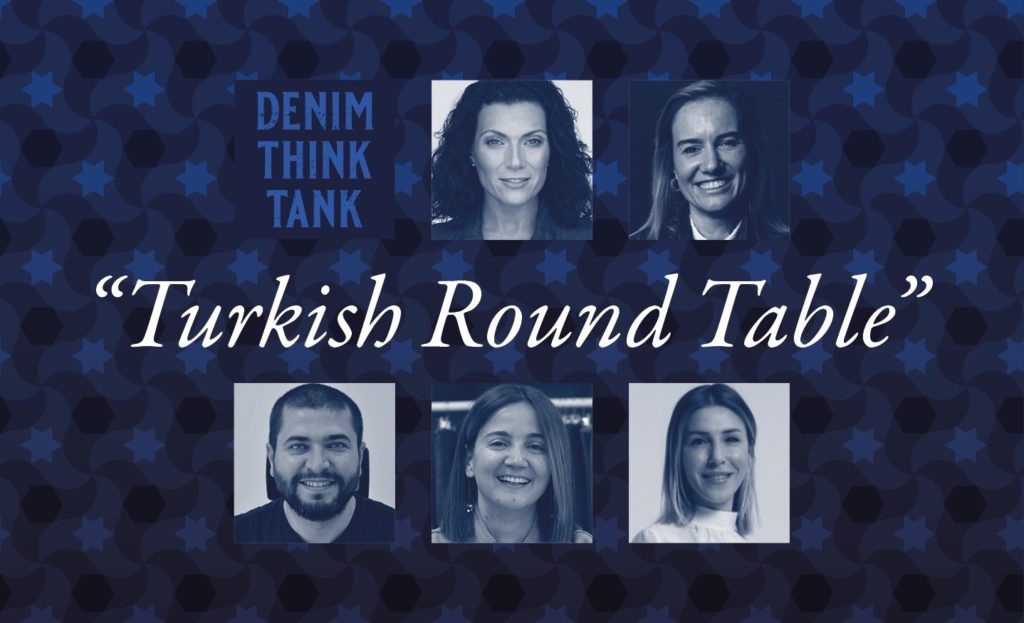
Executives from four Turkish mills joined us for a webinar on July 28 to discuss the how they are navigating the pandemic, their sustainability investments and how the denim industry may change as a result of COVID-19.
Situated nearby to Europe, Africa and Asia, Turkey’s geographic location may make the country’s denim mills an even more appealing partner for brands post-pandemic. Denim can be shipped on a truck from Turkey to Europe in a little over a week, helping to facilitate faster production runs.
“I think after the corona situation, Turkish garment makers’ importance getting bigger and bigger,” said Hurriyet Ozturk, product development manager at Kipas. “They have very deep knowledge and large capacities. Everybody lost at least five months, and brands need time for recover their loss.”
Hurriyet noted that Turkish mills can also offer smaller runs, allowing the flexibility to adopt a just-in-time manufacturing model that limits overstock risks.
Flexibility has also extended to how mills are working with clients. After closing down temporarily in March, Bossa and Calik Denim were back up and running by April and May, respectively. Recognizing the challenges that brands were facing, both companies offered their clients extended payment terms.
“At the very beginning of this pandemic, we understand that we had order cancellations and we had delays in payments,” said Burcu Ozek, sales manager at Bossa. “But what Bossa did at this stage is we paid all our payments to our suppliers, like fiber suppliers, chemical suppliers, we did early payments in order to run their business. Even we didn’t get an on-time payments from our brands or from our garment manufacturers, but we wanted to support the business. So we extended the payment dates.”
In the midst of the crisis, the mills are innovating, using the pause as an opportunity to rethink products and marketing. They are also adjusting to a new way of working that blends physical and digital interactions.
“The biggest positive impact of COVID—maybe I have a hesitation to say that—it slowed us down for a while, but it accelerated the concepts that we’ve been talking for a while, and one of them is the seasonless concept,” said Dr. Sedef Uncu Aki, executive director of Orta. Part of what is driving this apparel trend is consumers who are realizing that they don’t need as many season-specific garments.
Taking consumers’ needs into account, panelists are working on a number of concepts. Included among the innovations are denims that are more durable and materials that require less washing due to antibacterial touches. Comfortable and CBD-infused fabrics fulfill consumers’ interests in wellness.
From a sustainability perspective, mills are also incorporating biodegradable and recycled materials. Other investments include solar power and technology that can reduce the water needed in processing.
“I believe that this lockdown period was a good time to analyze consumer needs and trends, because everything changes and will change for sure, we all know that,” said Pinar Demirel, marketing communications manager at Calik Denim. “And we need to analyze consumer trends more deeply.”
Watch the full conversation below.