


How NDL is Weathering Devastating Flooding in Pakistan
Pakistan’s Punjab region is experiencing one of its worst flooding disasters in its history. Moonsoon season comes every year, but this year’s storm systems have brought catastrophic rainfall that has led to flash floods and rising rivers.
Millions of people in the region have been affected, with impacts ranging from displacement from damaged housing to death. Farmers have also seen their crops—and therefore their livelihoods—became submerged in feet of water. One of the agriculture products from the region is cotton, and this disaster has put stress on the raw material suppliers for the denim industry.
Many experts have attributed the severity of the flooding to climate change, which is making monsoon rains more extreme. This latest disaster is happening just a couple years after major flooding in 2022 that covered approximately one-third of the country.
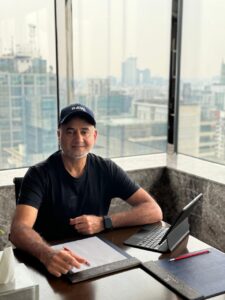
For a firsthand look at what is happening on the ground, Carved in Blue spoke with Rashid Iqbal, executive director of Naveena Denim Lahore (NDL).
Carved in Blue: Pakistan has faced major flooding before, but this is the worst flooding that the Punjab area has experienced in its history. Why is it important for the world to focus on this environmental disaster?
Rashid: The Punjab floods are not just a local tragedy but a global wakeup call. Pakistan contributes less than 1 percent of carbon emissions yet faces the harshest consequences. The world must recognize this as a shared climate challenge.
Carved in Blue: What impact has the flooding had on the local agricultural community, including cotton growers? What does this mean for the denim business?
Rashid: Punjab’s cotton fields have had to suffer losses in some areas, and there will certainly be impact upon farmers’ livelihoods and textile businesses too. Fortunately, Naveena has a fairly diversified supply chain and [the] bulk of our cotton supply, in any case, [comes] from U.S., South America and Africa, hence we do not foresee any serious negative impact other than a slight impact on cost of business.
Carved in Blue: NDL is based in Punjab. Has the flooding affected your operations at all? And if so, how?
Rashid: As per the geological surveys and data of NDMA (National Disaster Management Authority), NDL’s location is in the safe [zone]. Hence, even during the last two super floods of 2010 and 2022, which were far severe than the current one, our facilities remained safe and fully operational, and [the] same is the case now. This time, we have not even faced any supply chain disruptions, especially in cotton availability and logistics.
Carved in Blue: This flooding came when Pakistan is already facing pressures, including tariffs. How do you see the recently announced five-year plan for the textile industry supporting the sector through challenging times?
Rashid: The Government of Pakistan’s five-year policy is a critical step to strengthen competitiveness and encourage investment. In times of global and domestic pressure, such stability allows us to keep innovating and focusing on sustainability.
Carved in Blue: How is your company supporting the flooding relief efforts? How can others get involved?
Rashid: We have supported communities during floods in the past, including helping rebuild safe homes and supporting families in restarting their lives and we continue to do so in the current situation. Our work focuses on immediate relief such as food, shelter and medical aid, while also collaborating with local organizations on long-term recovery. We also encourage our global partners to extend their support through trusted humanitarian channels so that help reach those most in need.