


Lenzing and Armedangels Collaboration Shows Fashion’s Synthetic-Free Potential

German fashion brand Armedangels has worked with Lenzing’s TENCEL™ Lyocell fibers for a long time, but a recent project brought the wood-based material into a new category: performance outerwear.
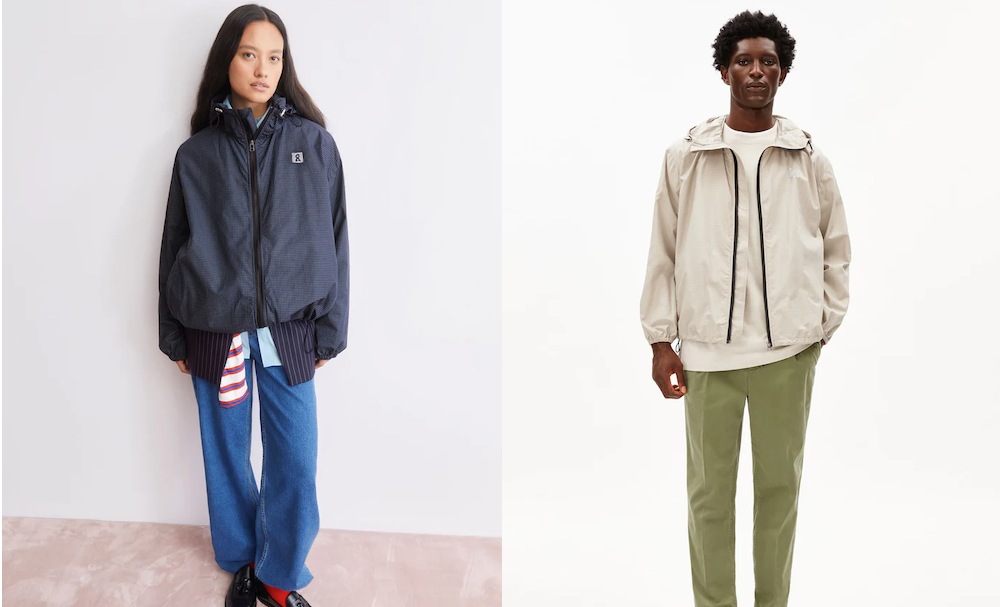
The brand worked with Lenzing and textile consultancy Montebelo to create a windbreaker that offers protection including wind and water resistance without the use of synthetic materials or PFAS—the “forever chemicals” that are rapidly being banned by more jurisdictions. This challenges the outerwear industry’s status quo, showing what is possible while still incorporating sustainability.
“[This project] demonstrates that functionality doesn’t have to depend on fossil-based fibers or harmful chemicals,” said Martin Höfeler, founder of Armedangels. “By developing a windbreaker without synthetics, membranes or PFAS, Armedangels applies its sustainability principles to a category that has historically been hardest to decouple from them.”
In contrast to the synthetics often used for performance outerwear, TENCEL™ Lyocell is biodegradable. These fibers are made using wood pulp, which not only provides a plant-based feedstock but also gives them a natural structure that can be broken down in soil or water environments.
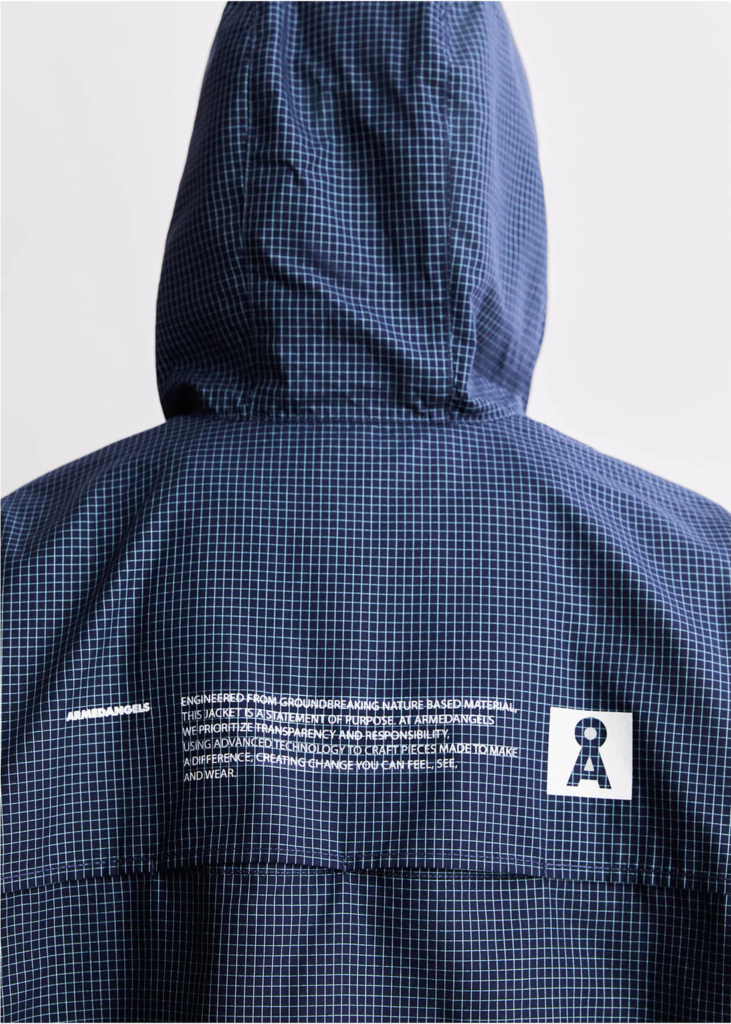
TENCEL™ fibers’ breathability were both a benefit and a challenge for this initiative, since the goal was a breathable yet windproof jacket. Instead of using membranes or chemicals to create a barrier, the partners built the wind resistance into the fabric construction, including a dense weave made of 100 percent TENCEL™. Montebelo worked with the R&D team at Her Min Textile Taiwan to create a lightweight ripstop fabric that was comparable to conventional synthetic-based ones, offering 97 percent windproofing. Rounding out the jacket’s protective qualities are heat-press finishing and a PFC-free water repellant treatment. Adding to the benefits to wearers, the jacket features a soft touch and quick drying.
“Through shared communication, this collaboration speaks not just to consumers but to retailers and other brands—demonstrating that real alternatives to petroleum-based products exist. Recycled plastic bottles, it should be noted, are not part of that solution,” said Johannes Fürst, managing director of Montebelo. “The hope is that it encourages brands to build meaningful partnerships with material producers, move beyond NDAs and exclusivity and share solutions openly so that sustainable materials can scale across the industry.”
At launch, the unisex jacket style is made in three colorways: navy, red and sand.
In marketing for the collection, Armedangels told consumers to “Rethink performance. Wear what feels natural.”
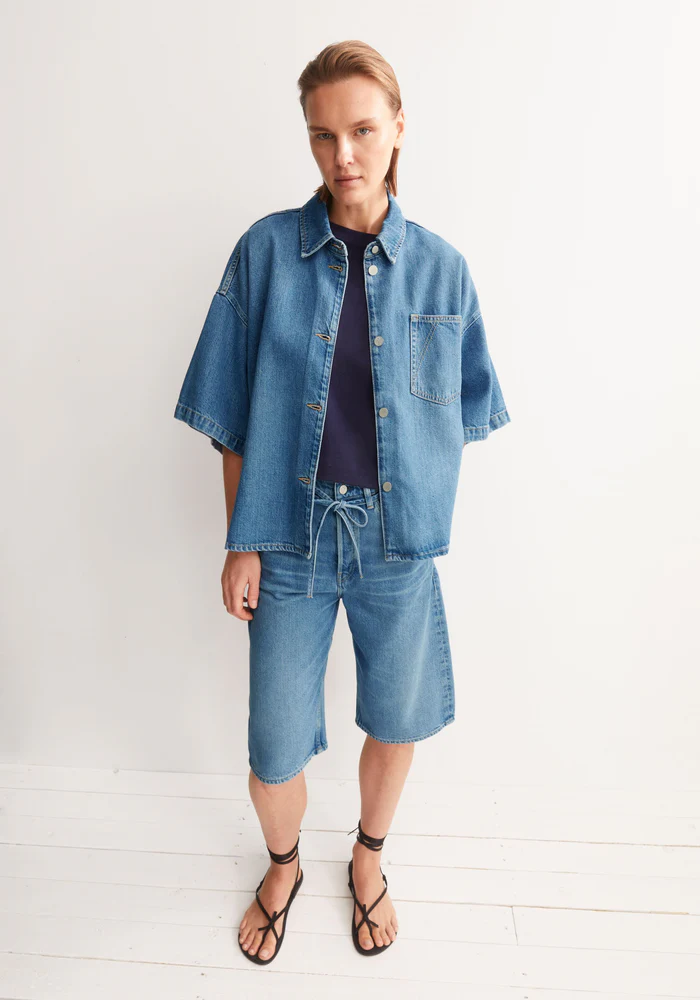
Within the denim category, Armedangels has been focused on greening production with its “Detox Denim” made with lower water and chemical consumption. In addition to recycled cotton, the brand has used Lenzing’s circular fibers made with REFIBRA™ technology, lowering the impact tied to material sourcing.