


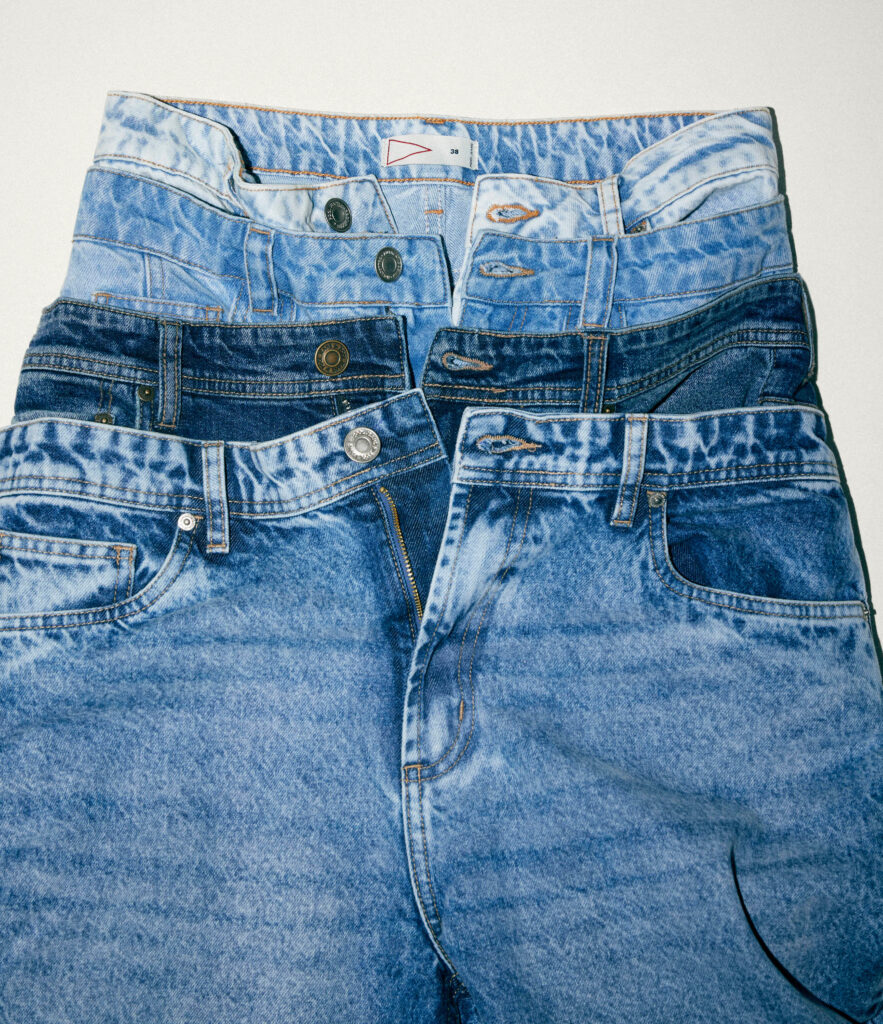
Riachuelo Launches Jean Line Made from Viscose, Recycled Cotton and Sugarcane-based Spandex
Riachuelo, one of Brazil’s largest retail fashion brands, is expanding its circularity-focused denim line—Pool Loop—with the launch of the first Brazilian jeans made with viscose containing 20 percent pre- and post-consumer recycled cotton waste and biomass elastane derived from sugarcane. The new fabric is the result of a joint effort by Riachuelo in partnership with the Lenzing Group, a leading supplier of regenerated cellulosic fibers for the textile and nonwovens industries; Creora, a global leader in the production of elastane; and Canatiba Textil, a leader in innovation in the development of responsible denim in Brazil.
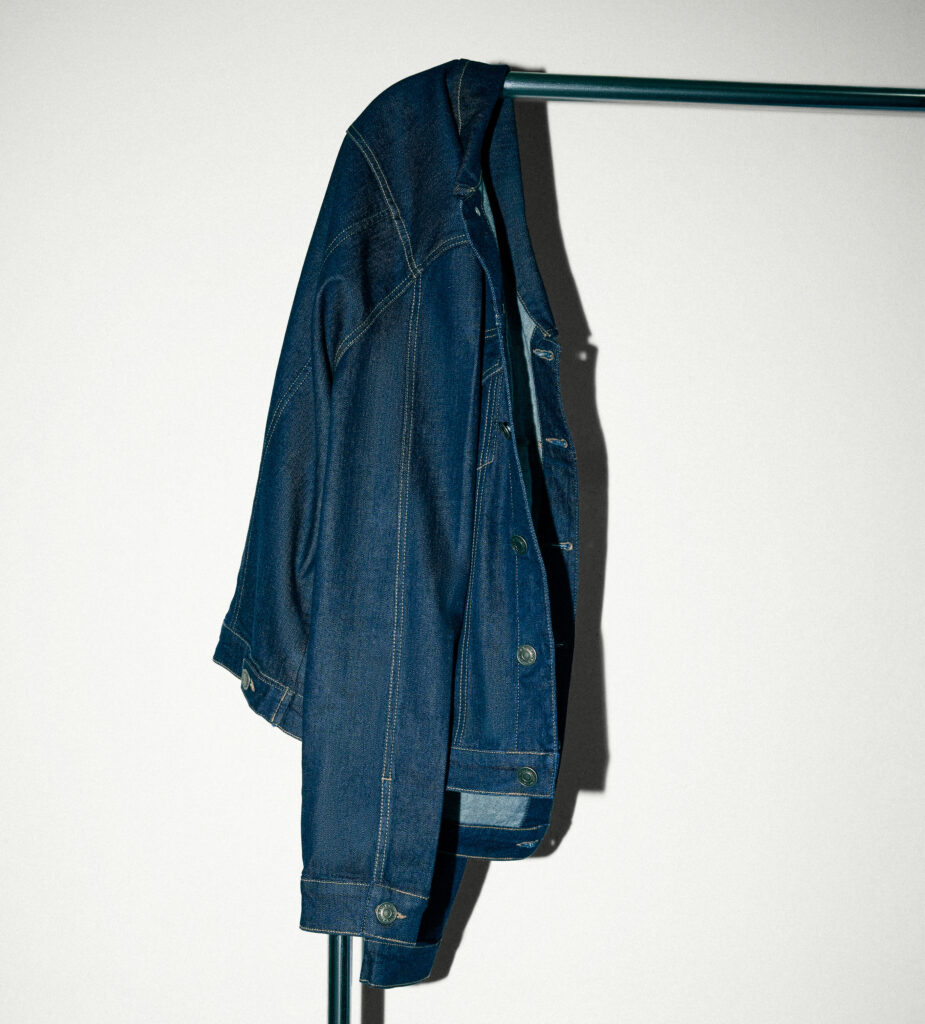
The collection features five different styles, including two pairs of women’s pants and two pairs of men’s pants, as well as a jacket, with a total of over 10,000 pieces produced. The new collection became available at 97 of Riachuelo’s high-end concept stores nationwide starting March 30, as well as on the brand’s e-commerce site.

The expansion of the Pool Loop line embodies Riachuelo’s Fiber Forward™ initiative, which focuses on implementing innovative materials that prioritize recycled and bio-based alternatives for textile production, with the goal of reducing the use of fossil resources and the consumption of virgin raw materials. By investing in technologies that transform fabric scraps and sugarcane into fashion with a smaller carbon footprint, Riachuelo not only delivers a cutting-edge product to consumers but also solidifies its role in the transition to a more sustainable business model.
LENZING™ ECOVERO™ branded viscose fibers with REFIBRA™ technology represent a significant step forward in the evolution of responsible viscose. Produced from certified or sustainably sourced wood1, these fibers also incorporate pre- and post-consumer cotton waste2, which is transformed into new cellulosic raw material through the innovative REFIBRA™ technology. “This process helps promote greater circularity in the textile industry by reintegrating materials that would otherwise be discarded, reducing dependence on virgin resources. At the same time, the fibers retain the recognized attributes of LENZING™ ECOVERO™ viscose, such as transparency and traceability in the value chain3, lower environmental impact4, and excellent textile performance, offering a soft feel, comfort and versatility for various fashion applications,” says Juliana Jabour, head of business development for South America at the Lenzing Group.
Traditionally recognized as a synthetic fiber derived from fossil sources, spandex takes on a new perspective with the launch of Creora™’s regen bio-max. This innovation features a composition with up to 98 percent sugarcane-derived content, offering a renewable-based alternative for a fiber that is essential to the fashion industry. This technology reduces spandex’s carbon emissions by up to 55 percent compared to the conventional version, a significant advance toward lower-impact solutions and a step toward the gradual replacement of fossil-based materials with renewable alternatives in the textile industry.
“This collaboration represents exactly the path the fashion industry needs to take: innovation built collectively. With Creora’s regen bio max, we’ve shown that it’s possible to reduce dependence on fossil resources without sacrificing performance, comfort and durability—essential characteristics of spandex. Participating in a project that connects the entire supply chain, from yarn to the end consumer, reinforces our commitment to accelerating the transition to more responsible materials that are ready for the future of fashion,” says Jessé Ruiz de Moura, LATAM marketing manager at Hyosung Brazil and Creora.

“We believe that the future of fashion begins with the fiber. That is why we are investing heavily in research and innovation through strategic partnerships around the world, which help us identify cutting-edge materials that can replace virgin and fossil-based resources with recycled and bio-based alternatives for textile production. This is exactly what the partnership with the Lenzing Group, Creora and Canatiba Textil brings to life,” adds Taciana Abreu, Riachuelo’s sustainability director.
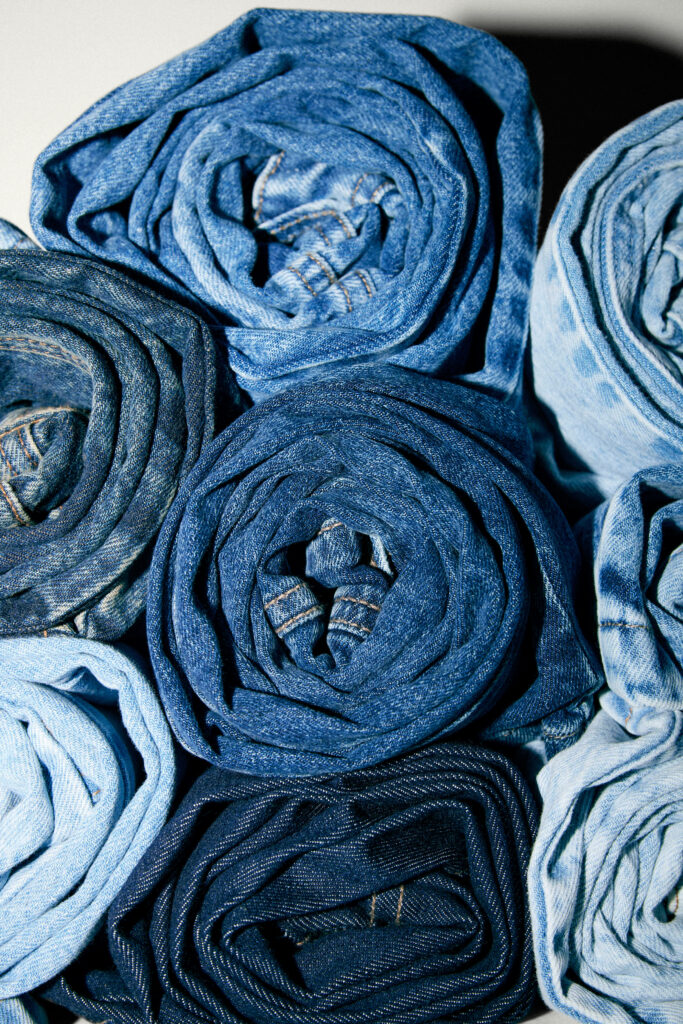
Canatiba Textil, in turn, transforms the fibers into yarns and subsequently into Pool Loop fabric, composed of cotton (86 percent), viscose (13 percent), and elastane (1 percent). A long-standing partner of Riachuelo, Canatiba Textil operates a biomass-fired boiler that recycles 40 percent of the water used in this process, thereby reducing the carbon emissions of its operations. This is yet another collection from Riachuelo that offers traceability of the production processes for its garments via a QR code created in partnership with Block Force. Through this feature, customers can follow the entire jeans production process, from the arrival of the fibers at the spinning mill all the way to the stores where the finished products are sold. Check it out here:

The launch of this new fabric is part of a broader strategy by Riachuelo, launched in 2025 with the release of its largest circular denim collection—made with 25 percent recycled cotton—which will also feature a new product lineup for this year.
- FSC® (FSC-C041246) or PEFC (PEFC/06-33-92) certifications. ↩︎
- LENZING™ ECOVERO™ fibers produced using REFIBRA™ technology use cotton textile waste as a raw material, in addition to wood. The fibers contain a minimum of 20 percent recycled material, sourced from pre- and post-consumer waste. These cotton scraps would otherwise have ended up in landfills or been incinerated. LENZING™ ECOVERO™ fibers produced using REFIBRA™ technology also meet the Recycled Claim Standard. ↩︎
- LENZING™ ECOVERO™ fibers can be identified using tracking technology ↩︎
- LENZING™ ECOVERO™ viscose fibers are produced using at least 50 percent less water and generate half the carbon emissions compared to standard viscose. Results based on Life Cycle Assessment (ISO 14040/44) standards and available via Higg MSI version 3.11.0 (Nov. 2025). ↩︎