


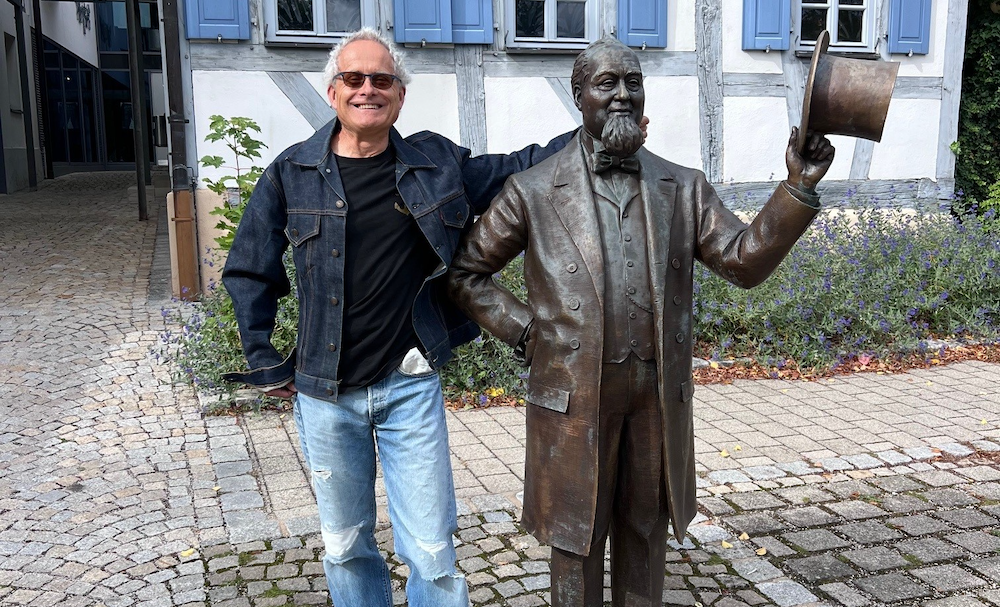
Ruedi Karrer on His Decades-Long love of Raw Denim
Ruedi Karrer is clear about his position on denim: It should be raw.
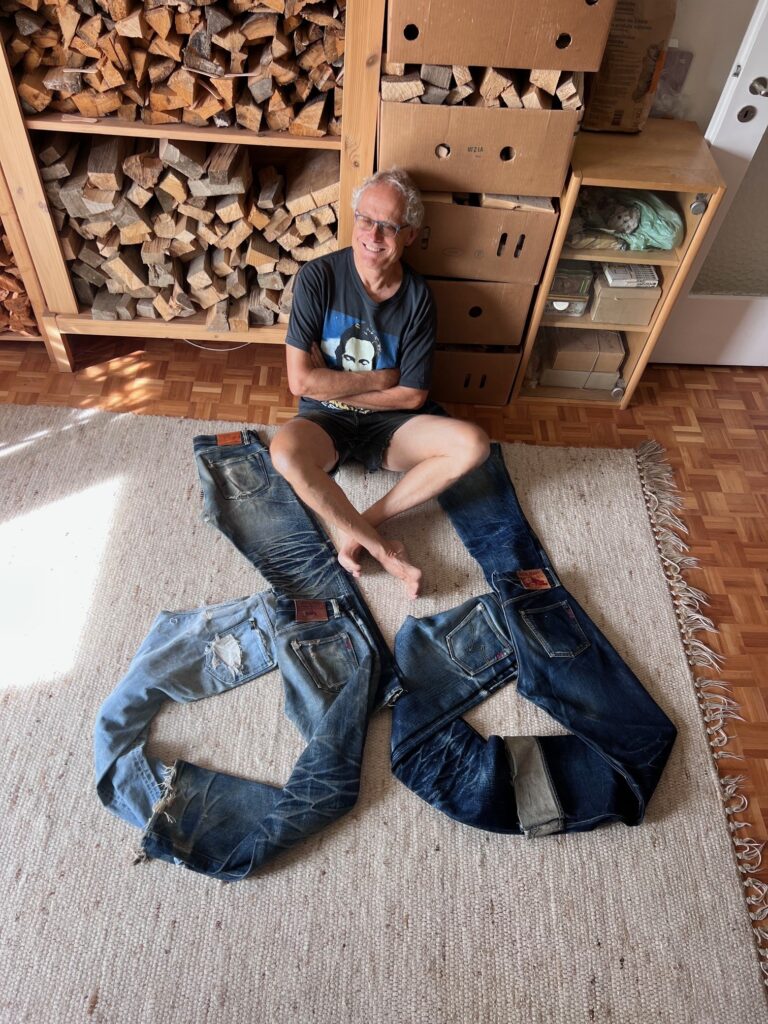
For half a century, he has been collecting worn and heavily faded denim. Over time, this hobby blossomed into the nonprofit Jeans Museum in Zurich, which can be visited by request.
Ruedi, who goes by the nickname Swiss Jean Freak, has also collaborated with brands on collections that translate his love of raw denim into new jeans.

Here, Ruedi speaks about how his obsession started, why unwashed denim is the industry’s sustainability answer and what is next for the Jeans Museum.
Carved in Blue: How did you get your “Swiss Jeans Freak” nickname?
Ruedi: I used the nickname Swiss Jeans Freak quite very early since the ‘80s, when I distributed my little leaflets to other people wearing raw denim or heavy faded items.
At the very beginning at the end of the ‘70s, I called it Rodolfo’s Jeans Extreme Collection.
Carved in Blue: When did you first fall in love with raw denim? What is it about raw denim in particular that so captivated you?
Ruedi: I got raw denim addicted after two Levi’s jeans from the ‘60s arrived in a cloth donation parcel in our poor family in 1973.
I was a very young, shy and a very small teenager, and I wanted to become a little rebel like James Dean. Raw denim became a fetish for me as well, and I love all kinds of heaviest faded blue jeans or denim jackets as well.
Carved in Blue: What role could raw denim play in making the denim industry more sustainable?
Ruedi: The most sustainable blue jeans are the unwashed dry shrink to fit jeans.
All further distressing processes are shortening the life of jeans and increase the global impact of the denim industry. So the very simple answer is to forbid all kind of fast-fashion and pre-distressings and also no stretch anymore and just use dry raw denim.
Carved in Blue: What did you learn about raw denim manufacturing from your industry collaborations with companies like Candiani Denim and Iron Heart Jeans?
Ruedi: I learned a lot about the economy of scale when producing just a very little batch of jeans. It was fascinating to see all the complex steps from designing and producing a jean. The most challenging steps for me were how to advertise and sell them since I have no experience about this.
Carved in Blue: How has the Jeans Museum grown over the years? What are some of your favorite recent acquisitions?
Ruedi: I started collecting jeans in 1973 and opened the Jeans Museum of heaviest fadings in 2001. it has grown since then to over 8,000 jeans and 6,000 denim jackets so far. Since 2020, I started the first presorting and inventory from the whole collection. The museum needs sponsors and governmental subsidies to transform the current denim archive into a proper jeans museum.
Carved in Blue: At first glance, denim doesn’t seem like the optimal attire for mountain climbing. Why have you chosen to wear jeans for your outdoor adventures?
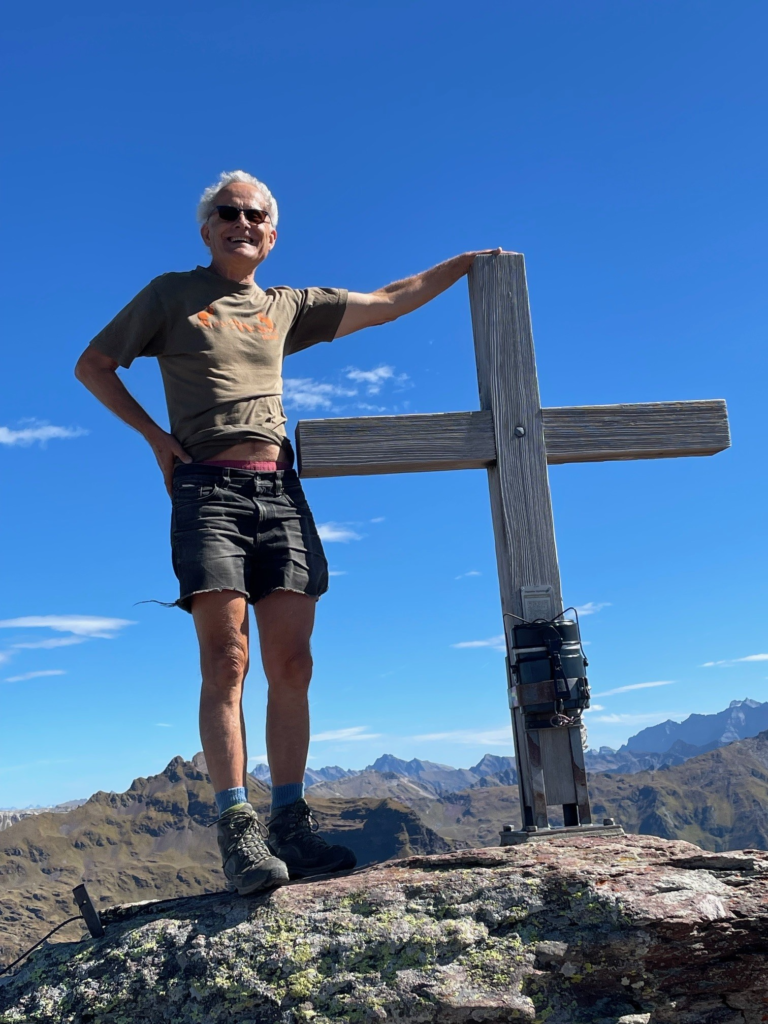
Ruedi: There are many functional outdoor clothing available now. But during the early ‘70s, many young people were hiking in jeans, and I just kept doing this until now. But I just do this on nice sunny days, and I have Goretex clothes for bad weather as well
Carved in Blue: What does carved in blue mean to you?
Ruedi: Carved in Blue is an important possibility to create more sustainable jeans with TENCEL™ wood fibers like done by Lenzing. I admired this the first time by the Levi’s Engineered jeans 25 years ago.