


Why Hemp and MMCF Blends Could Open a ‘New Chapter’ for Denim
Denim is having a full-circle moment, as one of the earliest materials used in the production of jeans—hemp—experiences a resurgence. But the way hemp is being used today looks nothing like how the fiber was incorporated into workwear of the 1800s. It’s typically blended with materials—like regenerated cellulosics and cotton—that give the coarse material a softer hand feel.
Germany’s Felde Fibres specializes in hemp and other bast fibers including linen and nettle. In 2022, the company was founded as it took over the operations from a decade-old firm. Using a proprietary process, the company separates and treats the fibers so they are more uniform and ready for production.
Felde Fibres’ hemp has been used in denim for Marc O’Polo, blended with cotton. One manufacturer also blended TENCEL™ Modal with Indigo Color technology with hemp, combining the spun-dyed fibers with its low-impact bast fibers. Felde Fibres plans to do more mashups of hemp with cellulosic fibers in the future.

Ulrik Schiøtz, managing director at Felde Fibres, spoke with Carved in Blue about the appeal of hemp, why man-made cellulosics make a good blending partner and what people get wrong about hemp.
Carved in Blue: Why should the denim industry consider using more hemp?
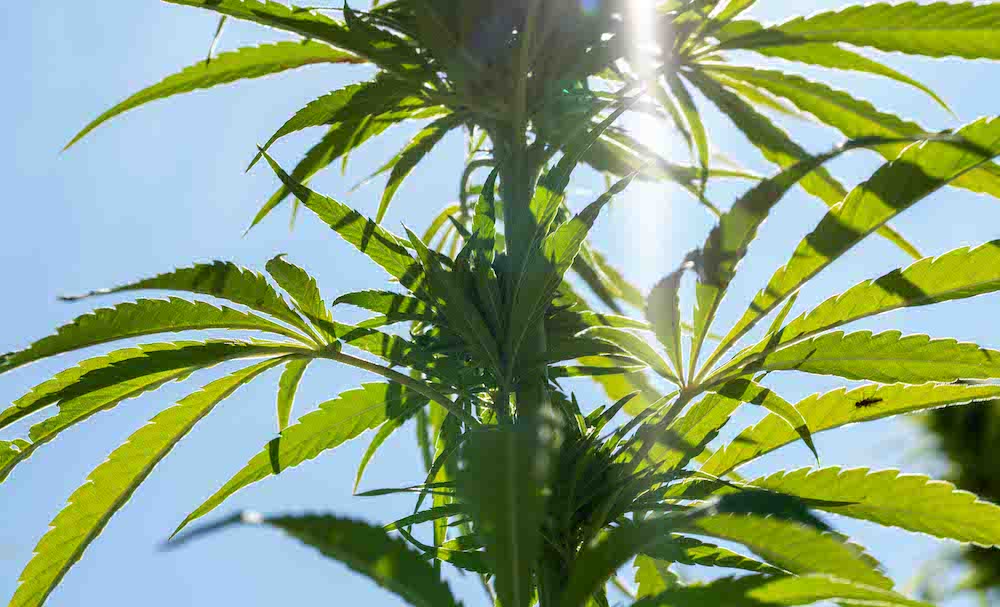
Ulrik: Hemp is the OG when it comes to denim materials. The first Levi’s jeans are said to be made of hemp, a strong enough fiber to serve the rough conditions of the time. Apart from the legacy, hemp has both sustainable benefits and good properties. Hemp can be grown in most climate zones and does so in great abundance, offering a lot of fiber per acre. It doesn’t need irrigation or pesticides and improves the soil. Being so resource-sparing makes hemp very suitable for large-scale cultivation—a gift from Mother Nature in a sense. In terms of properties, the amount of hemp in a fabric can be varied to achieve the desired look and feel. Hemp thus allows [manufacturers] to create new twists and to innovate on the staple fabric that denim is.
Carved in Blue: What unique characteristics does hemp bring to denim fabrics?
Ulrik: Hemp will add more substance and luster to fabrics, allowing for a great variety of desired denim styles. With increased hemp contents, the fabric will get a more rustic and natural fiber look, although the quality of Felde hemp creates comparatively clean appearances. On a more functional side, hemp is more breathable, thermoregulating and absorbent than other fibers.
Carved in Blue: What makes Germany a good fit for growing hemp? What about the country’s climate and atmosphere makes it conducive for cultivating the crop?
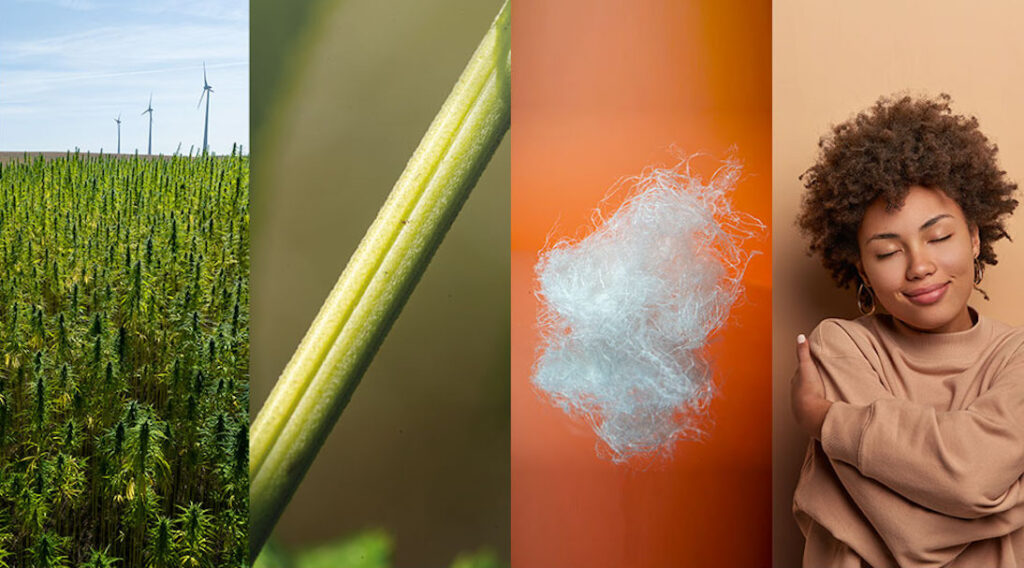
Ulrik: For a fine fiber, the plant shouldn’t grow too large and needs to be harvested young. Germany’s temperate climate is particularly well suited for this. Warmer climates are good for other aspects like more biomass, more seeds, more flowers, etc. The German climate is good for better fiber quality.
Carved in Blue: Could you explain the process you’re using to remove the lignin? How does this compare to other methods used in the industry?
Ulrik: In the plant, soft and elementary fibers are glued together by lignin in bundles, which are very coarse and long. In order to obtain the soft elementary fibers, the lignin is removed by degumming. This is basically done by boiling. The fibers are placed in large vats where high temperature and pressure remove the lignin very gently. As a result, the elementary fibers are liberated from the bundles while their strength is retained. We achieve this outstanding quality with a proprietary procedure, which is even GOTS certified.
Other degumming methods would be mechanical removal of lignin, which only removes little lignin and damages the fibers as well as enzymatic degumming, which does not yet work at scale.
Carved in Blue: How are you seeing your customers combine hemp with man-made cellulosic fibers like lyocell and modal?
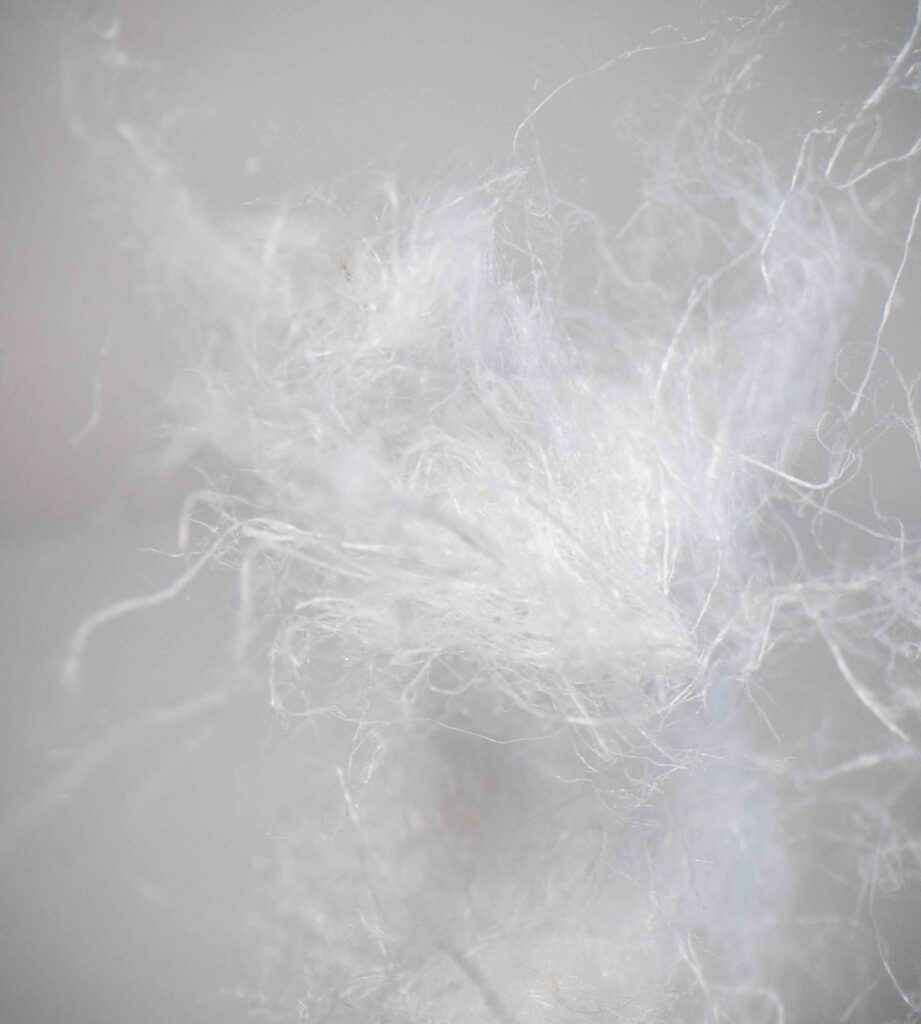
Ulrik: Hemp is particularly well suited for blends with lyocell and modal! The cellulosics are very fine and light, whereas hemp has more heft to it. Blending the two gives the fabric a distinct natural fiber feel and more substance. This is particularly suitable for denim fabrics. Also, if desired, this blend offers an alternative to cotton with a very cotton-like hand feel. By varying the amount of hemp, every desired denim can be achieved—[from] light and stretchy, regular denim all the way to robust raw denim qualities. With hemp and cellulosic blends, designers can really open up a new chapter of denim.
Carved in Blue: What do you think is the biggest misconception about hemp? Could you clear it up?
Ulrik: Hemp is regarded by many as being a very coarse and uncomfortable material and not really part of mainstream apparel. This is no longer the case with the quality of Felde Fibres. Especially in blends with other materials, hemp becomes a tool for designers to create exciting fabrics with great functionality and an unmatched sustainable profile. Gone are the days where hemp felt like sack cloth. Today hemp is the material for fine and more sustainable textiles.