


Bast Recast Deep-Dive: French Work Pant 1890
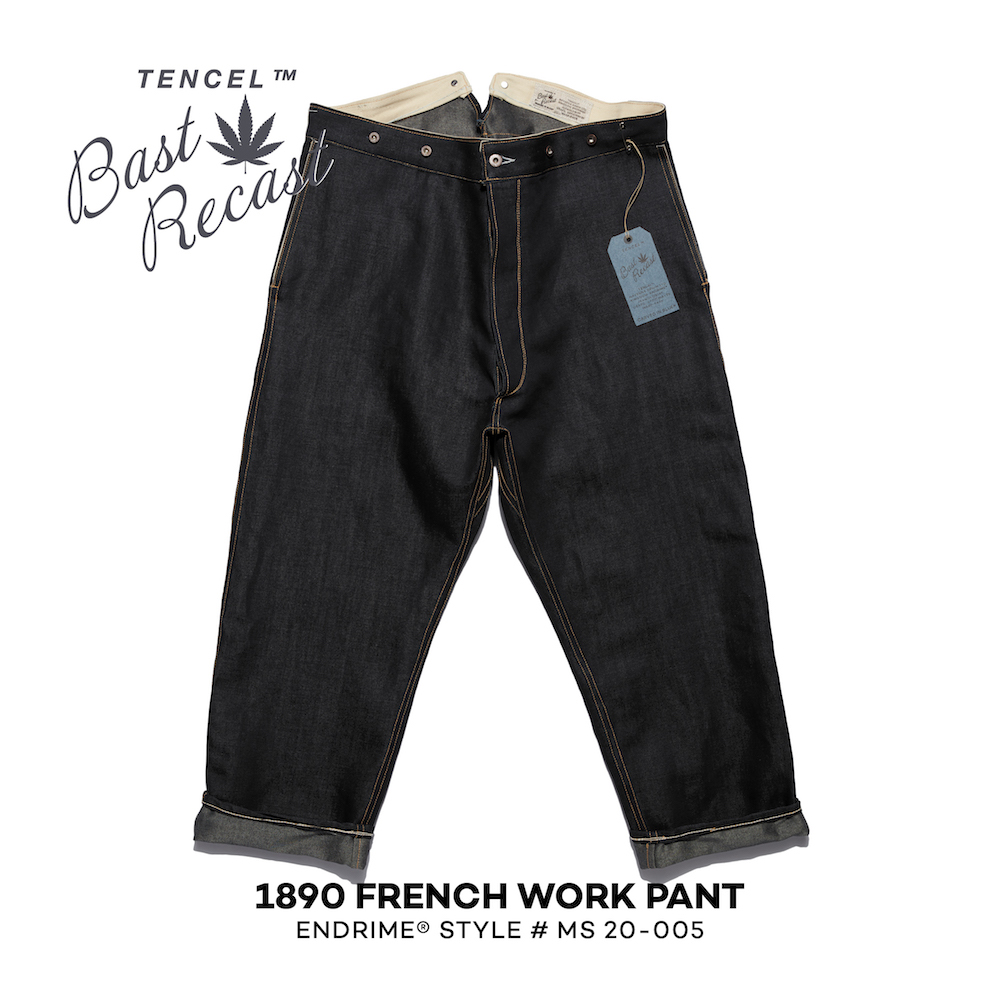
This is a garment style from the 1890s, which, like many from that period, is quite oversized compared to modern day garments. So much so that the models in our photoshoot described them as clown pants.
Garments from this period tended to be bigger, although it is not clear why this is. However, it is thought that it was for either ease of movement and/or layering with other garments, especially for warmth in the winter.
Going back further in history, archaeology is revealing that the real Amazons were horse-riding, spear-throwing, pants-wearing, fearsome female fighters from ancient Scythia, and according to historical accounts, the ancient Amazons wore pants while riding into battle.
However, the trend this tribe of warrior women set was short lived. For nearly two millennia after their demise, the notion of women wearing pants was immersed in controversy.
Only within the last 70 years has it become socially acceptable for women to wear pants. Until the mid-1960s, the average American woman wouldn’t dare leave her house wearing dungarees.
Gayle Fischer, an associate professor of history at Salem State University and author of “Pantaloons and Power: A Nineteenth-Century Dress Reform in the United States,” explained on NPR in 2017 that authorities have frequently pointed to the values dictated by the Bible as their justification for reinforcing skirt wearing. Deuteronomy 22:5 states that women should not wear men’s clothes and men should not wear women’s.
In the early 1800s, men’s and women’s fashion overlapped very little. Few women wore pants. For women, the purpose of clothing was not so much for function, but to make them look curvier, and it took women a significantly longer time to dress each day due to the number of layers they wore.
There was a clearly defined line between men’s and women’s clothing. So much so that there was a law on the books in France making it illegal for both men and women to wear clothing that was not “societally assigned to their gender.”
According to the law, women needed to have the permission of local police if they wanted to “dress like a man” and wear trousers. It was technically still illegal for women to wear trousers in France up until 2013, when the French government overturned a 200-year-old ban on women wearing trousers.
During the French Revolution, Parisian women had requested the right to wear trousers, and working class revolutionaries became known as “sans-culottes” for wearing trousers instead of the silk-knee breeches preferred by the bourgeoisie.
The original law had been intended to prevent women from doing certain jobs. The order was aimed first of all at limiting the access of women to certain offices or occupations by preventing them from dressing in the manner of men. It was modified in 1892 and 1909 to allow women to wear trousers if they were “holding a bicycle handlebar or the reins of a horse.”
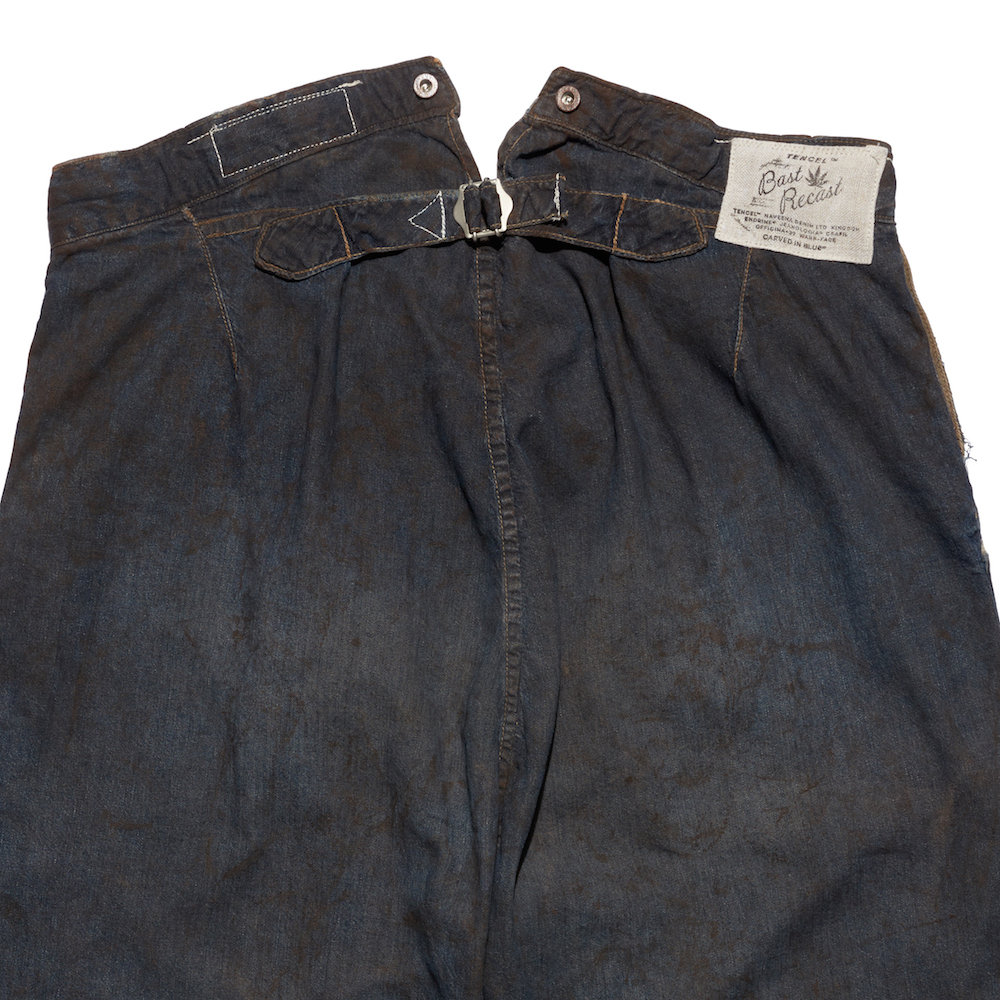
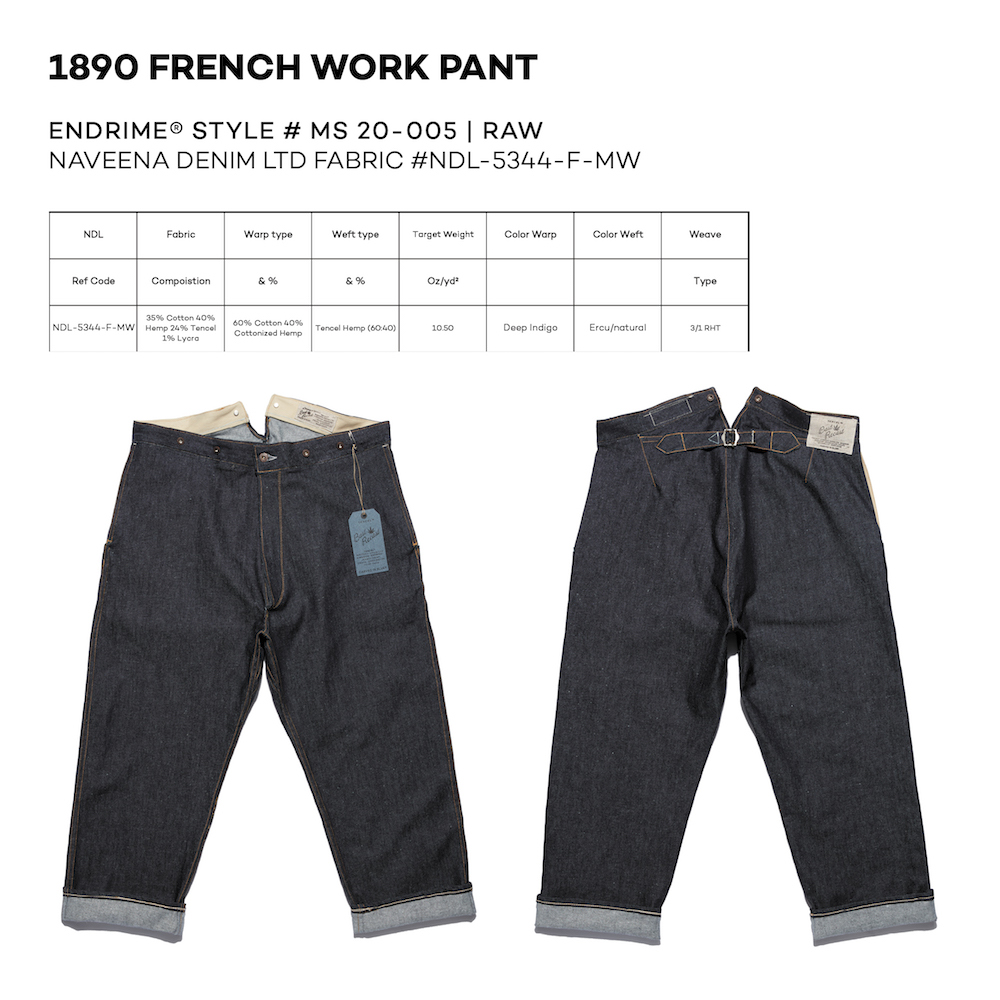
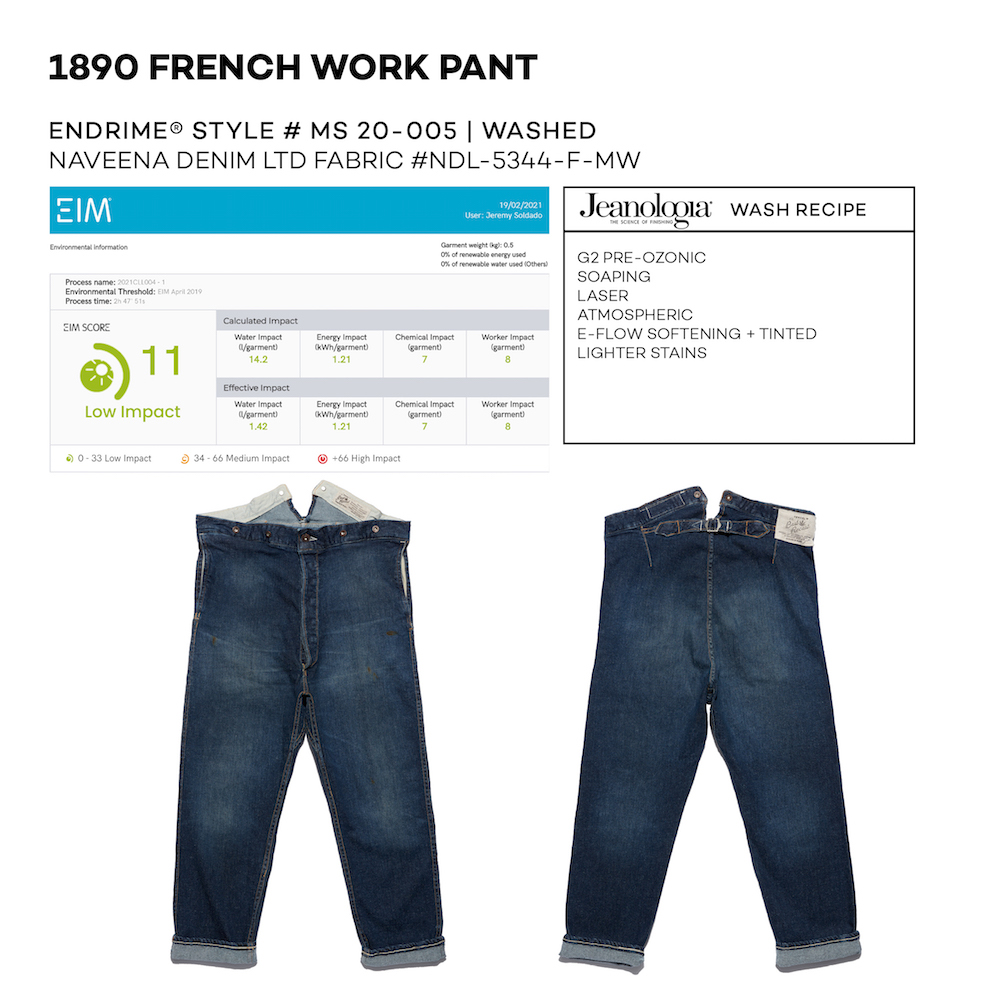
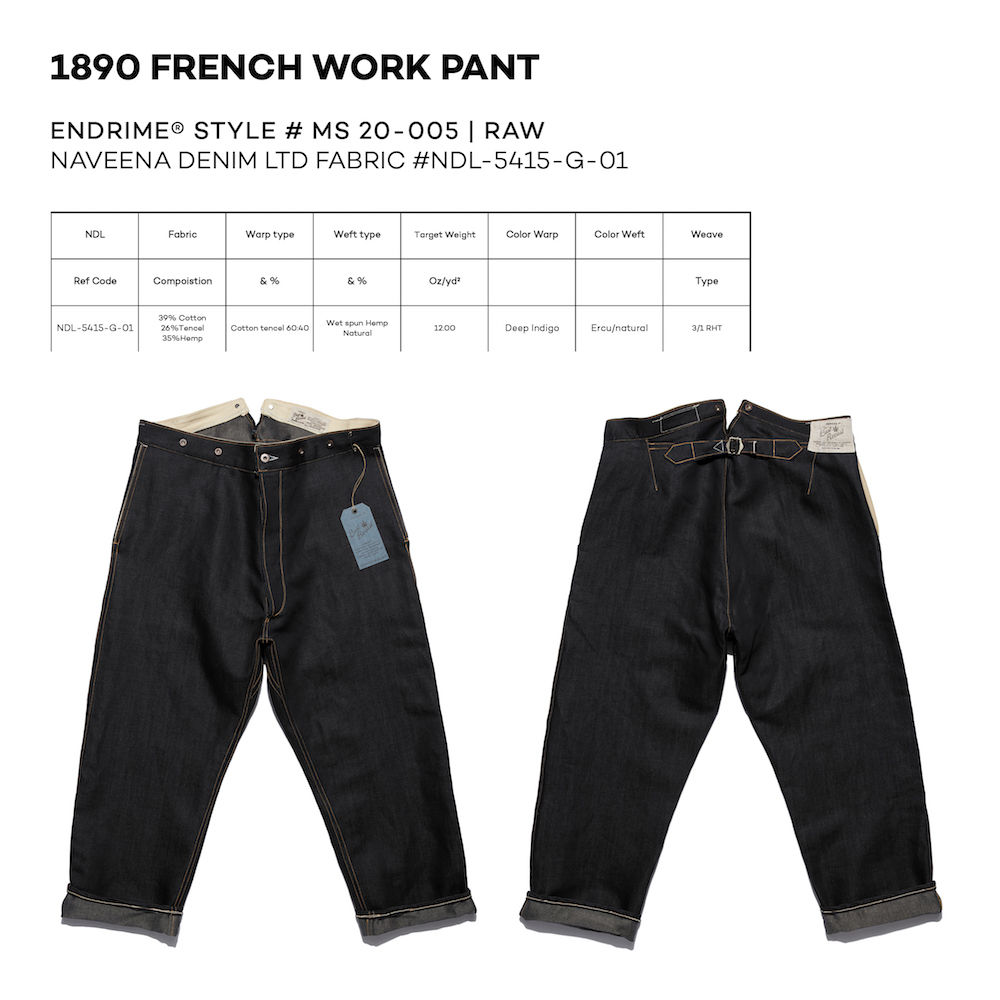
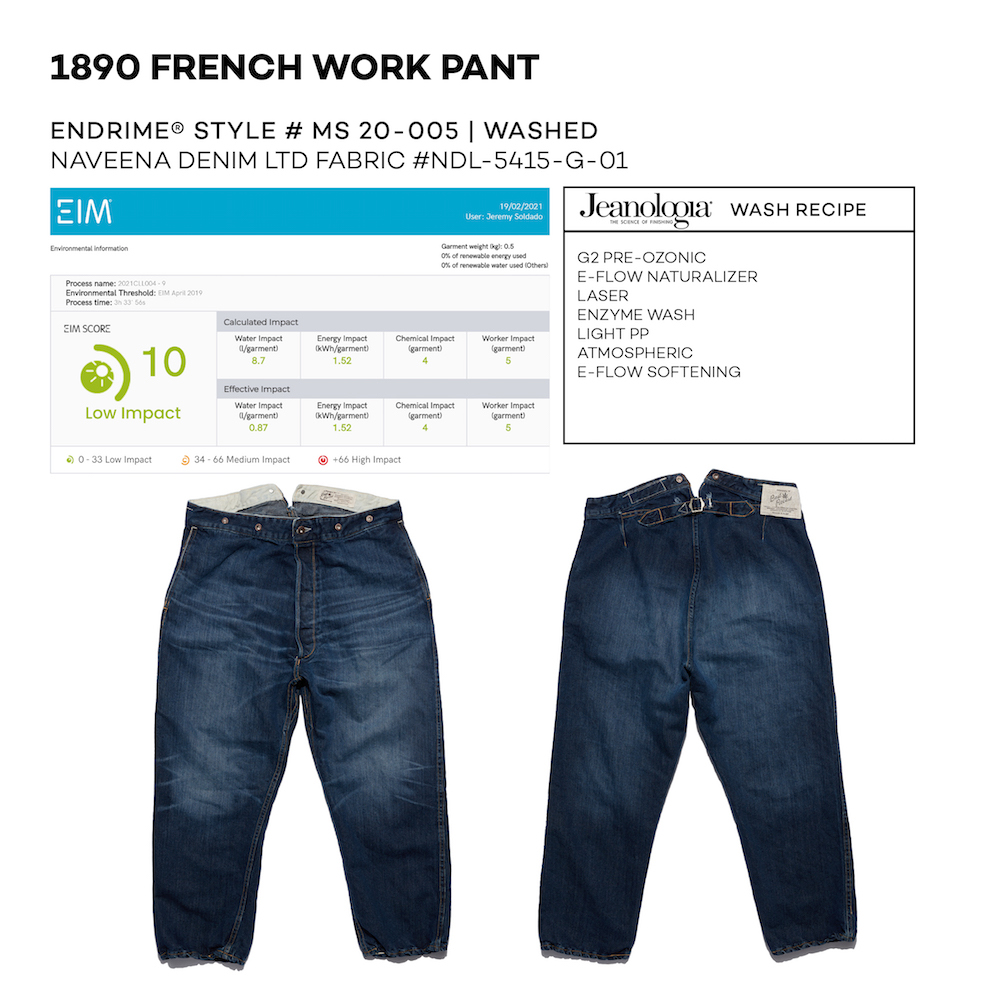
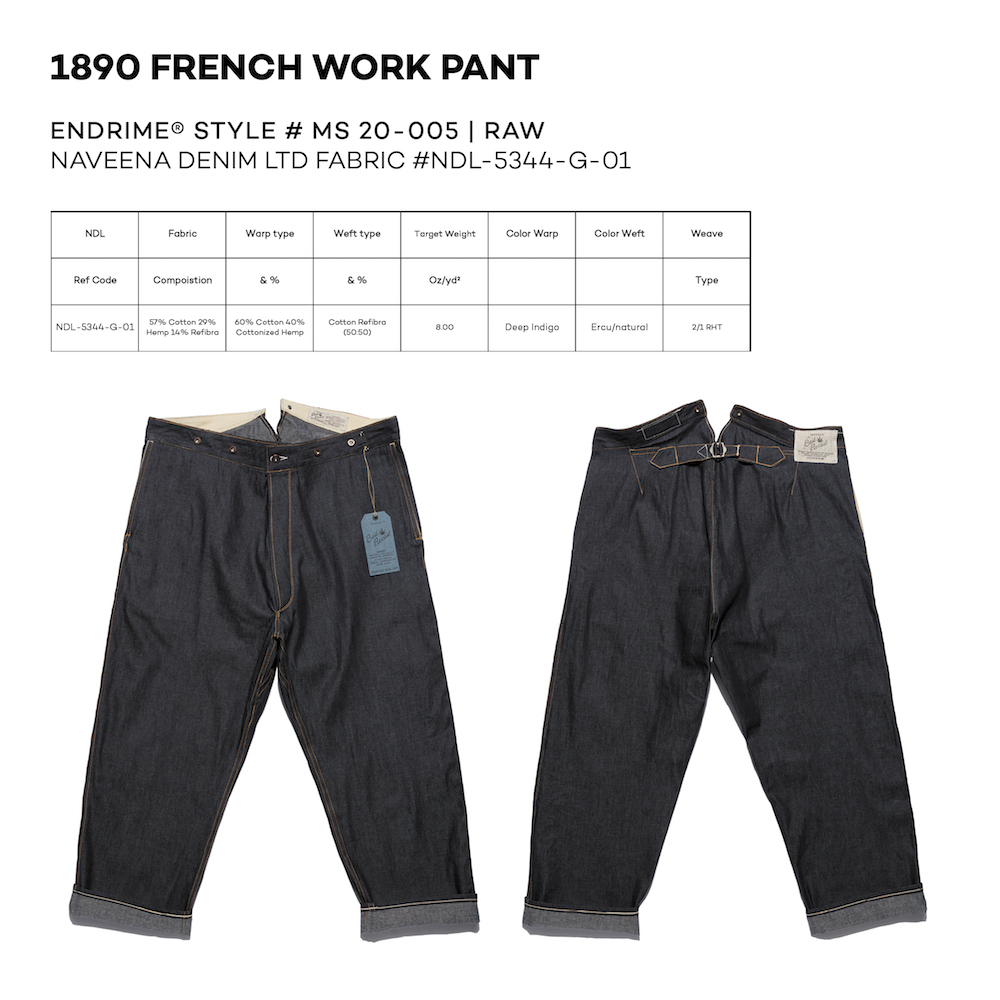
The garment in our collection is enhanced from the original, by creating a one-piece fly, a split back yolk, as well as a cinch at the back. The wide shape block is period correct for the 1870s, as is the light tobacco stitching supplied by Crafil in their Celafil® 100 percent TENCEL™ thread. Other features of note include a lack of back pockets and a split back waistband lined with TENCEL™️ x Hemp pocketing fabric. The waistband is sewn with chain-stitch using a Kensei special machine. The mini back yoke has a darted tailored construction and there are suspender buttons to accommodate braces.
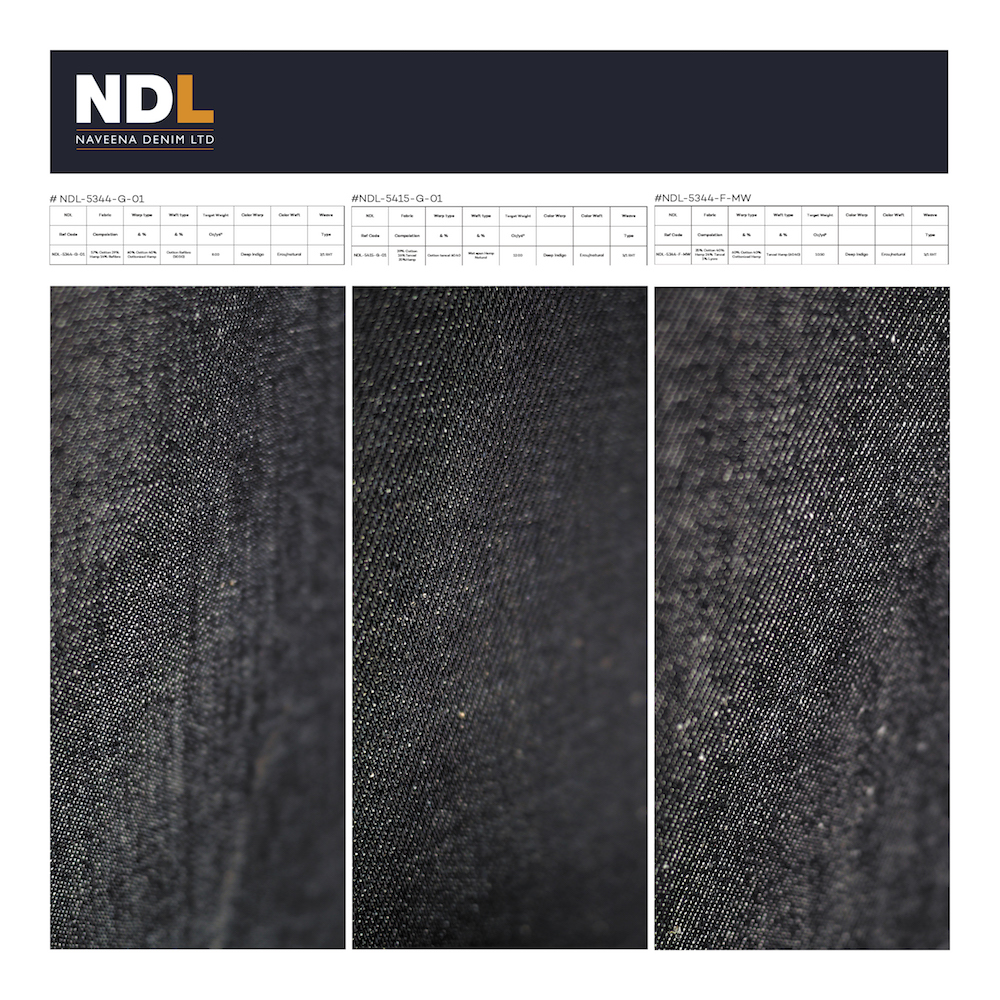
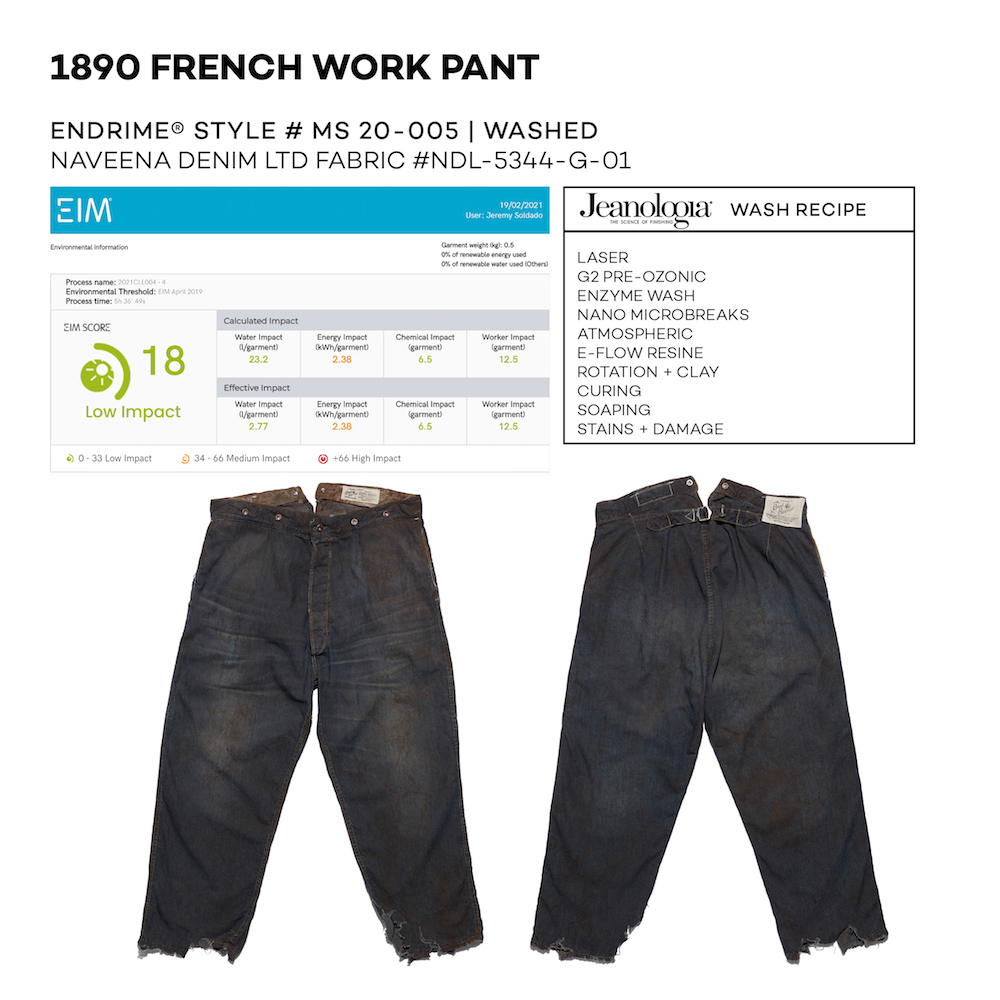
Within the collection, this style was interpreted in three fabrics, all in dark indigo, ranging from 8 oz to 12 oz per square yard. TENCEL™️ Lyocell, TENCEL™️ x REFIBRA™, cottonized hemp and wet-spun hemp were all represented. There was even a stretch version in the 3×1 twill 10.5 oz base.
Our favorite finish is on the 8 oz garment, which literally looks like it has been found a mineshaft after 150 years.
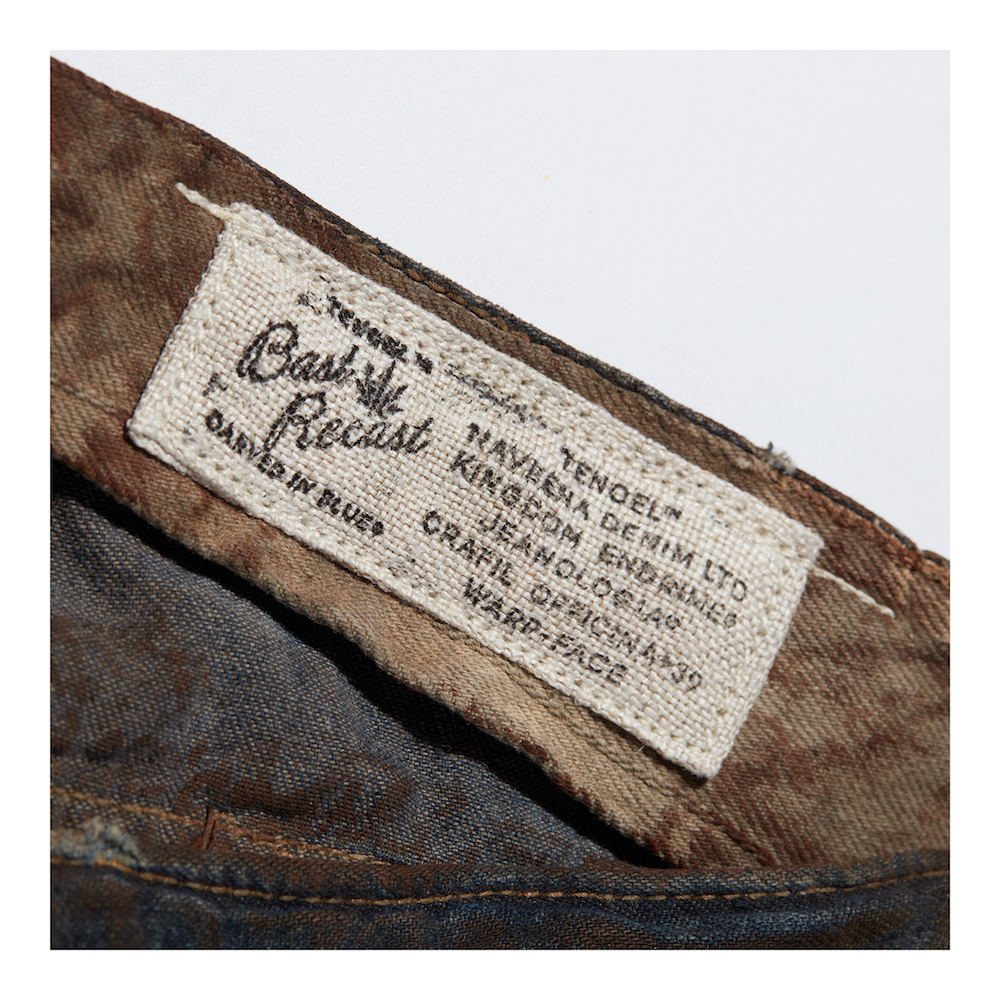
As with all our Bast Recast collection, the look was completed by using a recycled paper hang tag and joker labels from Warp Face, the paper being made from recycled fabric offcuts from the collection.
Click through the slideshow below to discover the 1890 French Work Pant.
Discover the 1884 Mens Shirt from Bast Recast here.